



Plastic Processing and Manufacturing
Amid growing sustainability demands and rapid market shifts, uncertainty around new materials increases and process complexity rises. Implementing digital twins to drive Industry 4.0 has also become a key challenge.
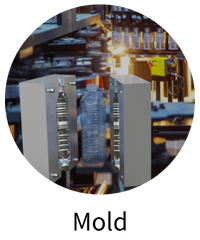
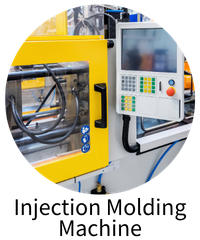
Molds and Injection Molding Machines
Optimized mold designs help reduce the time and costs associated with repeated mold modifications. Accounting for machine response and clamping force can further extend mold life and ensure stable mass production.
3D-Printed Molds
3D-printed molds offer shorter lead times and greater design flexibility, and are commonly used for inserts, mold cores, or conformal cooling channels—though conformal cooling adds design complexity despite its cooling benefits.