
Embedding Intelligence into Mold Tryout Process
Now in 2026, Artificial Intelligence (AI) remains a core driver of business productivity and innovation. For manufacturers, those who can keep up with the trend and start implementing intelligence-driven technology into their work will be able to lead the market. Take injection molding industry as an example, mold tryout has always been a time-consuming, costly process fraught with variables.
To overcome these challenges, iMolding Hub (part of Moldiverse) introduces iMolding Advisor to help users build a more scientific and efficient mold tryout process. Driven by intelligence, this feature can automatically generate recommended mold tryout parameters based on simulation data. It can then intelligently adjust parameters and quality prediction logic according to actual results of each mold tryout.
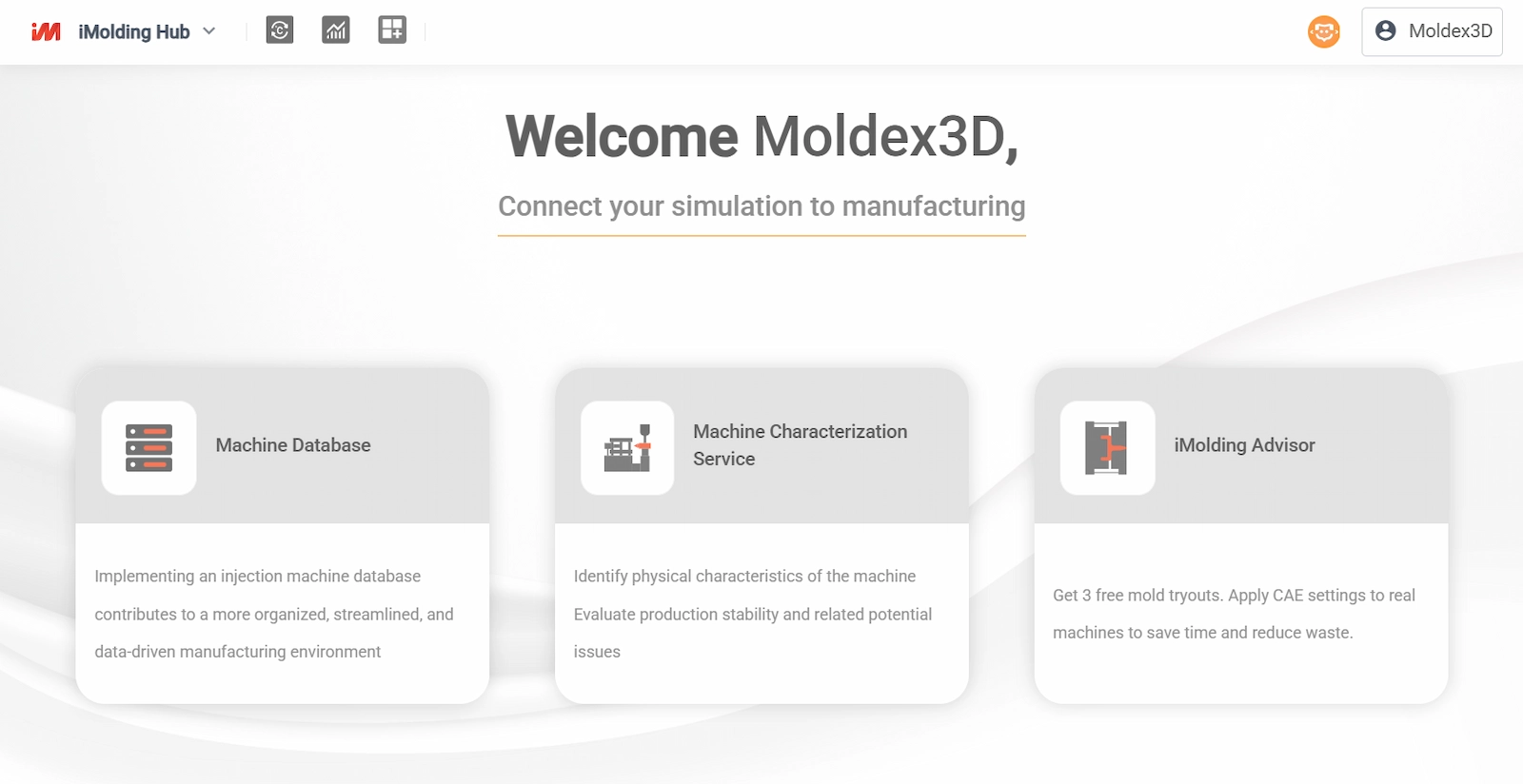 Fig.1 iMolding Hub helps bridge the gap between molding simulation results and actual machine responses. It now introduces a new feature — iMolding Advisor.
Automated Parameter Generation Based on CAE Results
iMolding Hub integrates multi-source data to automatically determine feasible initial trial conditions. Its parameter construction logic is primarily based on:
- Moldex3D Simulation Analysis Results
- Molding Window Advisor (MWA) Analysis Results
- User-defined injection machine and mold conditions (e.g., machine capacity and cavity structure)
- Material Properties Database (e.g., viscosity models, PVT curves, shear sensitivity)
Based on the above data, the system generates recommended injection molding parameters, including injection speed, packing pressure, packing time, mold / melt temperature. By inputting these values into the injection machine, one can proceed with the trial process. This not only accelerates setup but significantly reduces trial-and-error iterations.
Elevating Quality Prediction via Feedback Mechanism
Following the mold tryout, users can utilize iMolding Hub to record machine response data, actual molding results, and defects (such as short shots, warpage, air traps, or flash.) The system performs a gap analysis against previous predictions, automatically calibrating the quality prediction model within iMolding Hub and updating subsequent parameter recommendations.
Each time the system receives feedback data, its quality prediction logic undergoes self-learning and refinement, bringing future recommendations closer to real-world conditions. Furthermore, the system can automatically determine—based on the correlation between defect types and parameters—whether to increase filling speed, lower mold temperature, or extend packing time, providing concrete and actionable suggestions.
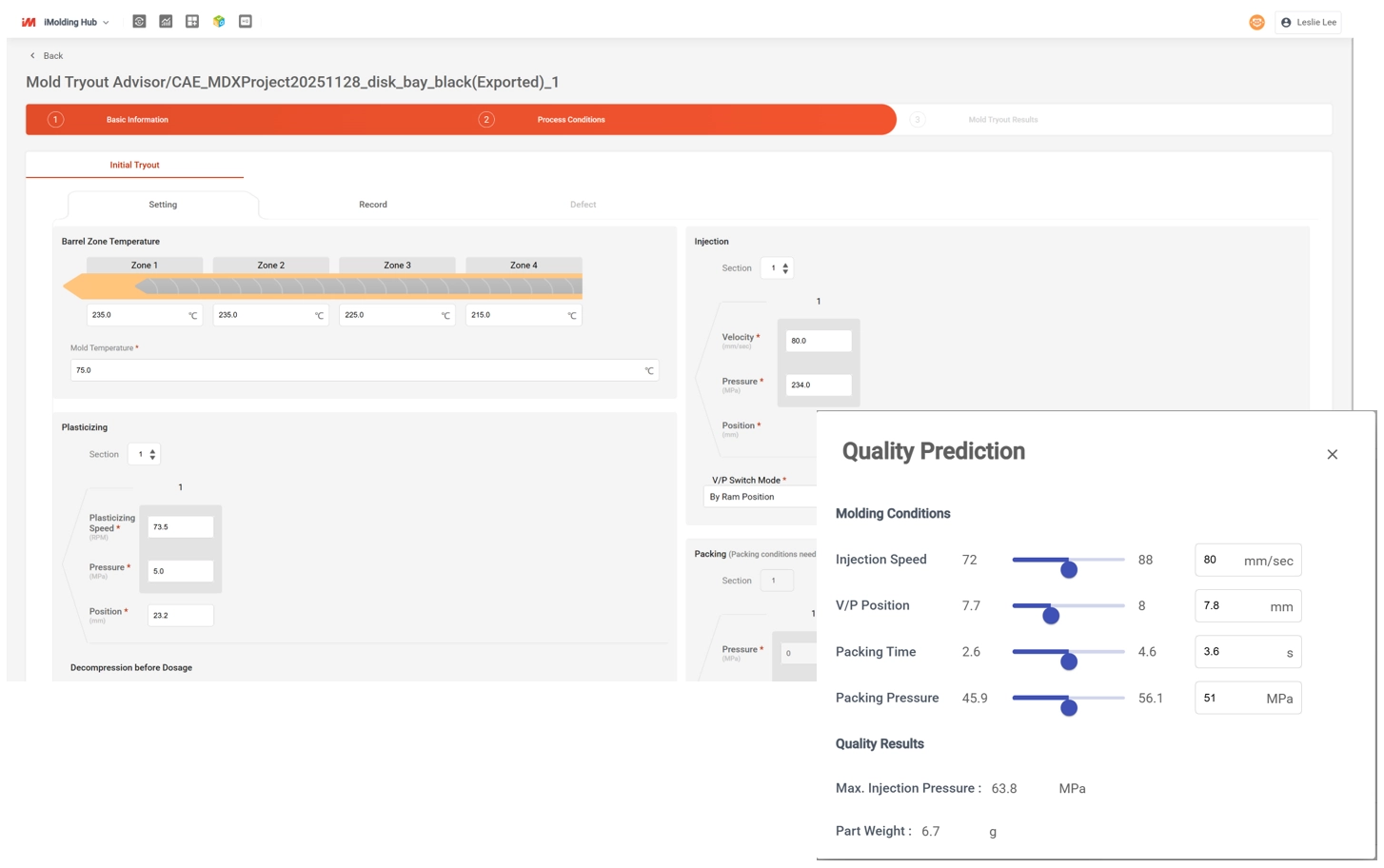 Fig. 2 When receiving feedback data, iMolding Hub’s quality prediction logic undergoes self-learning and refinement.
Integrating MWA for Stable Mold Tryout Conditions
When paired with Molding Window Advisor (MWA), iMolding Hub can directly import MWA results and offer appropriate initial parameter suggestions. This helps users avoid high-risk zones and focus on high-success processes to achieve more stable production settings.
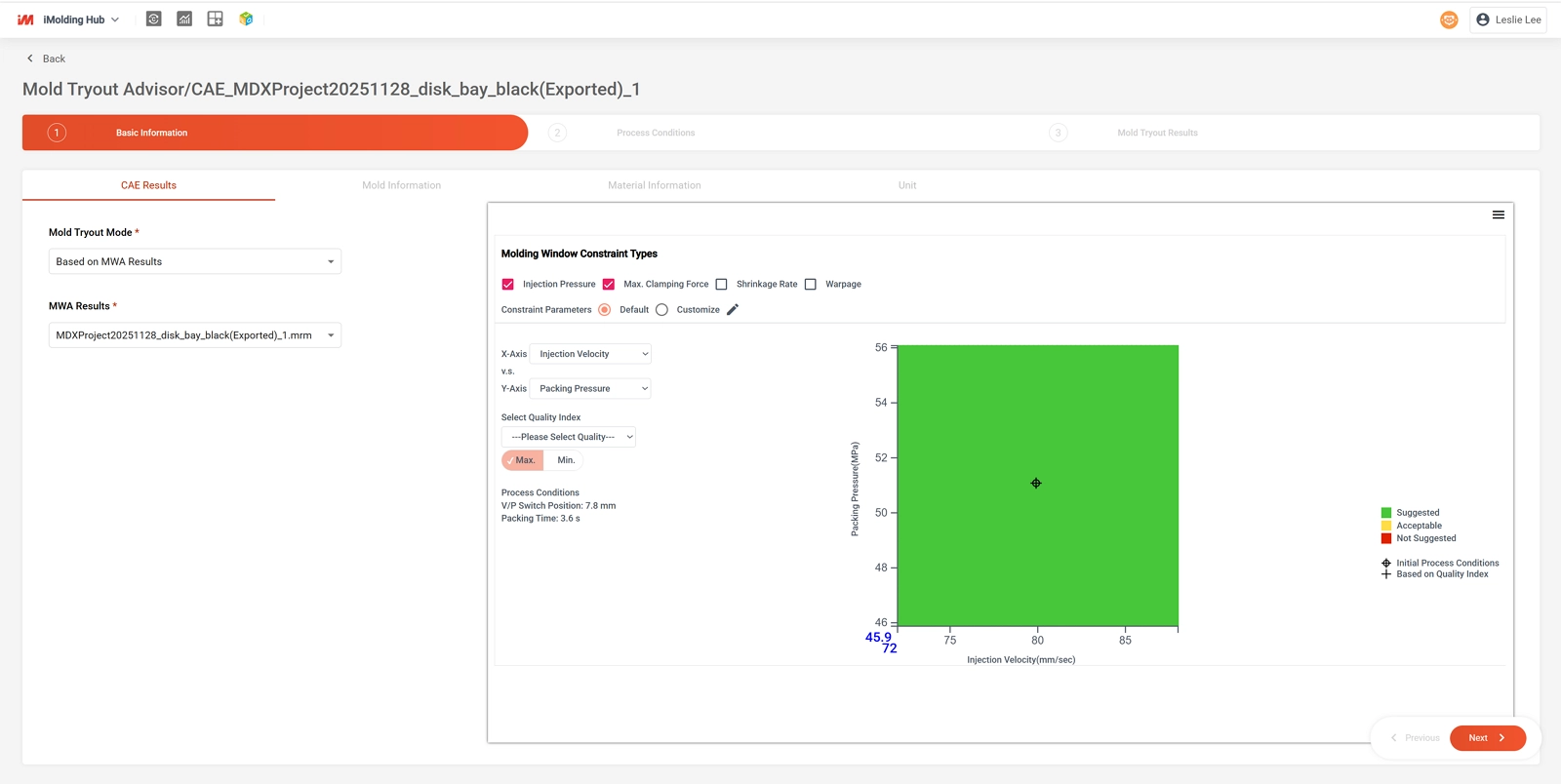 Fig. 3 iMolding Hub can be paired with MWA.
iMolding Hub Bridging Simulation and Reality
With iMolding Advisor, iMolding Hub transforms mold tryout from an experience-driven practice into a data-driven process. From automated parameter generation to feedback mechanism, it drives the injection molding process towards greater stability, speed, and precision. To bring real-time value from data, iMolding Hub is built on a cloud-based platform that requires no software installation and is accessible directly through a web browser. Users can review simulation results, parameter recommendations, and historical mold tryout data on smartphones, tablets, or other devices—achieving seamless integration between simulation insights and shop-floor execution.
Explore iMolding Hub: https://imolding.moldex3d.cloud/#/mainPage